

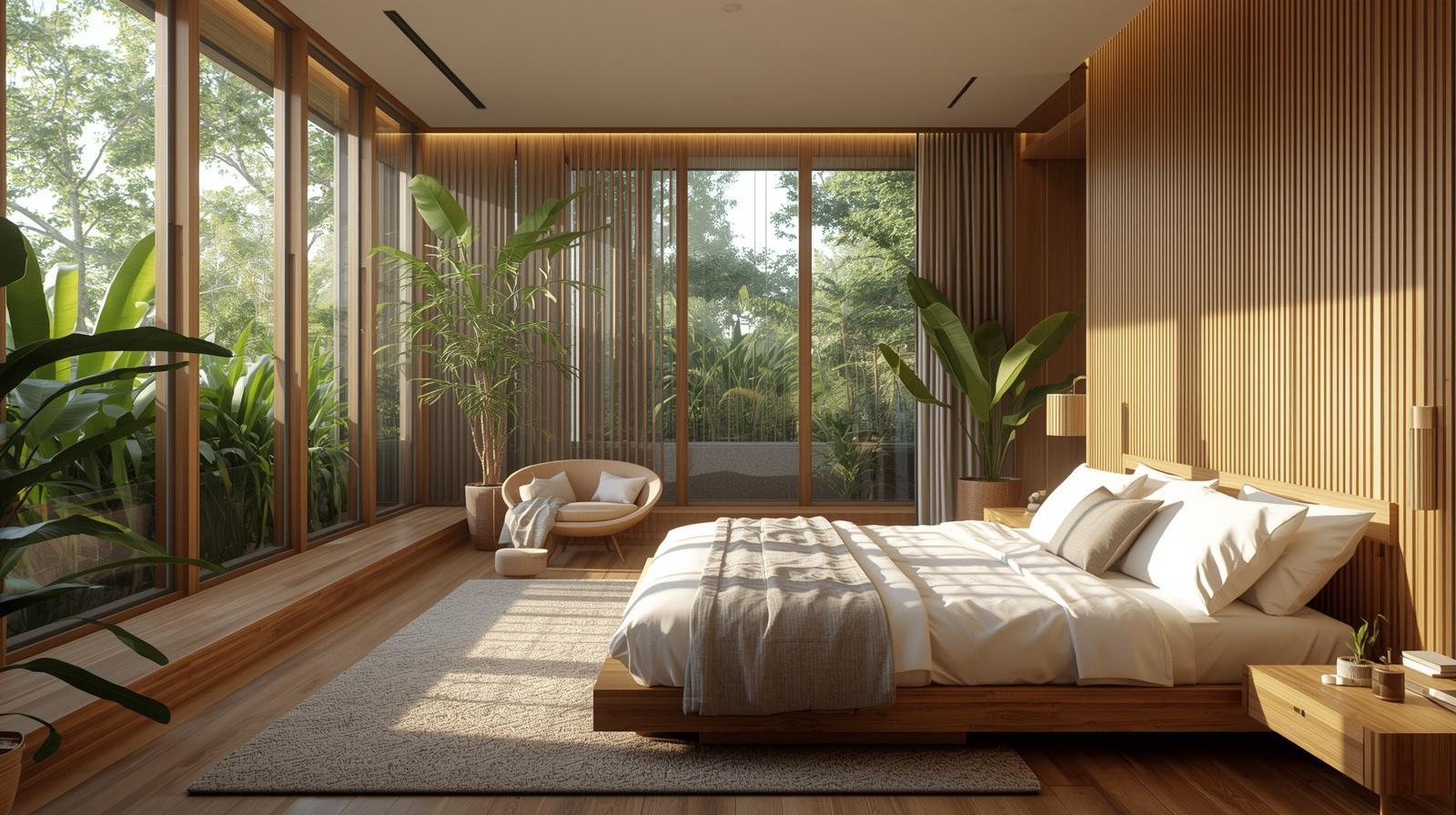
The rise of wellness-focused hotels isn’t just a trend—it’s a full-on shift in how guests seem to define value. Today’s travelers aren’t only looking for a comfortable bed; they want better sleep, cleaner air, nutritious food, and spaces that actively support their mental and physical health. For hotel suppliers, this evolution opens a surprisingly wide lane of opportunity.
From air purification systems to ergonomic furniture and spa-grade amenities, every product choice contributes to the guest’s perception of wellness. Moreover, every product choice contributes to how key decision-makers on a project select suppliers. And this is where suppliers can step in not just as vendors, but as strategic partners. Hotels are increasingly searching for solutions that are both functional and experiential, meaning your products need to do more than “work.”
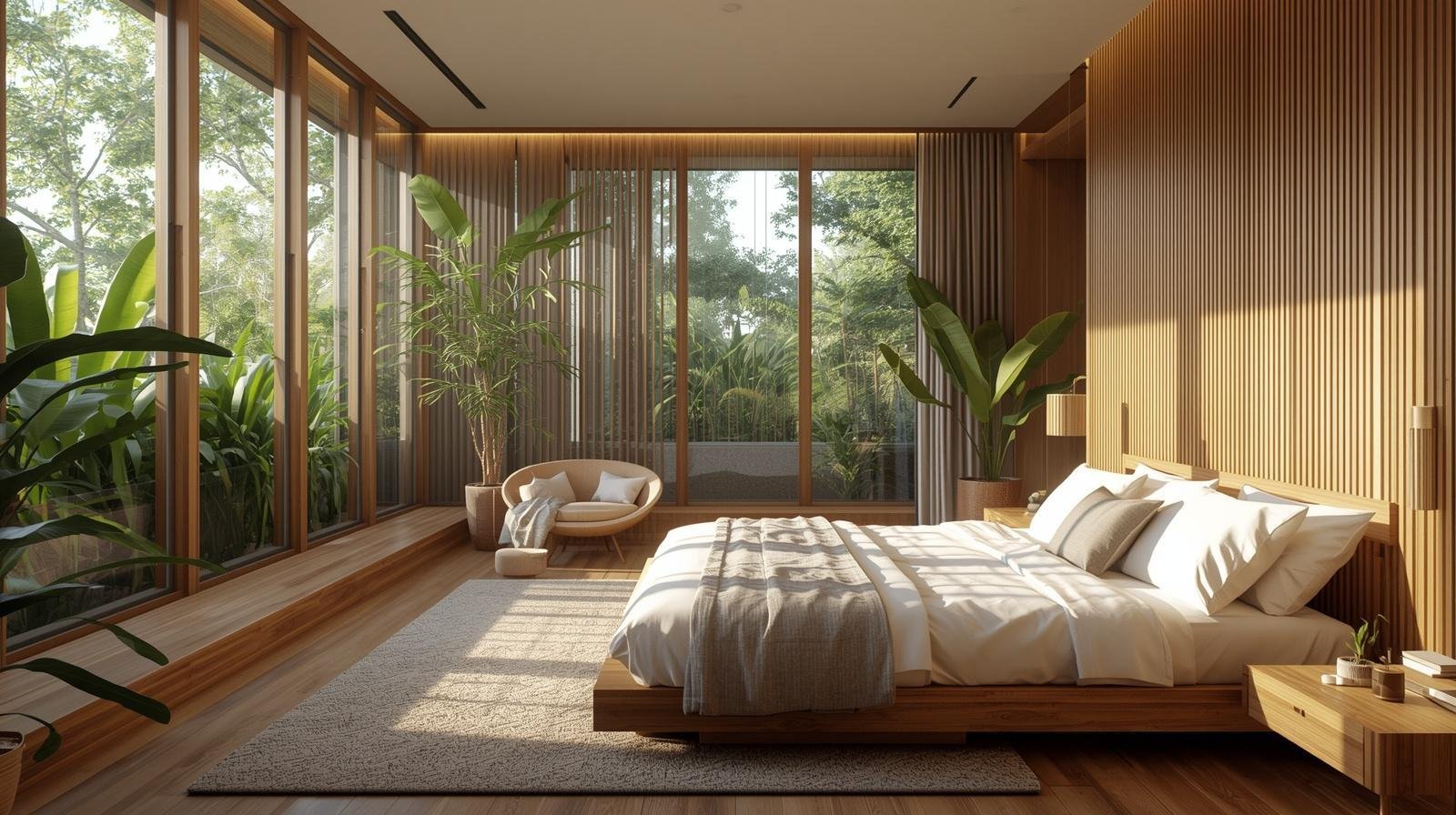
What Wellness Hotels Actually Need
There’s a common misconception that wellness hotels are all about fitness gear and spa products. While those are certainly part of the mix, the real demand is far more holistic. Think soundproofing materials that improve sleep quality, circadian lighting systems, sustainable textiles, and even water filtration technologies. Suppliers who understand this and look beyond individual products are the ones who stand out.
Another key factor is sustainability. Wellness-focused hotels often overlap heavily with eco-conscious practices, so products that are responsibly sourced, energy-efficient, or low-waste carry extra weight. If your offering can tick both the “wellness” and “sustainability” boxes, you’re already ahead of the curve. Bonus points if you can help hotels tell that story to their guests—because storytelling sells.
Turning Products into Experiences
Here’s where things get interesting: wellness is defined by how products shape the way guests feel, not just by what they’re using. A pillow isn’t just a pillow if it improves sleep quality and reduces neck strain; it’s part of a restorative experience. Suppliers who can frame their products this way are far more likely to resonate with hotel decision-makers.
This also means thinking beyond standalone products and toward integrated solutions. Can your offering work alongside others to create a cohesive wellness environment? For example, combining lighting, scent, and sound into a unified relaxation experience adds more value than each element alone. Hotels are, more and more, looking for that kind of synergy.
A natural next step for suppliers is to align more closely with how hotels are designing these experiences from the ground up. That might mean collaborating earlier in the planning process, adapting products to fit specific wellness concepts, or simply understanding how different elements come together across a guest’s stay. In a market shaped by hospitality wellness trends, relevance comes from fitting seamlessly into the bigger picture.